How to wash and care for linen bedding
Linen bedding is more forgiving than most people expect, but it does have a few specific requirements. Get those right and a good piece of linen will outlast most of the other things in your bedroom by a decade. Get them wrong and you'll have a stiff, pilled sheet that nobody wants to sleep under. Here's what we tell every customer who buys a duvet cover from us.
Temperature is the main variable
Wash linen at 40°C or below. Above that, the flax fibres begin to contract unevenly, and you'll notice the cloth stiffening in a way that doesn't wash back out. Most modern washing machines have a 40°C cotton cycle that works perfectly well. If your machine runs hot. Some older Canadian front-loaders do. Drop to 30°C to be safe.
Cold water is fine for routine washes when the bedding isn't heavily soiled. The cloth will still clean properly; linen is naturally antibacterial and doesn't hold odour the way synthetic fibres do.
Detergent: less than you think
Use about half the detergent you'd use for a cotton load of the same size. Linen doesn't need much to get clean, and excess detergent residue is one of the main causes of that cardboard stiffness people sometimes complain about. Avoid fabric softener entirely. It coats the fibres and reduces absorbency over time, which matters less for a duvet cover but matters a great deal for linen towels.
Enzyme-based detergents (the kind marketed for protein stains) are fine for linen. Bleach-based products are not. They break down the cellulose structure of the flax fibre and will cause premature thinning.
Drying: the step most people get wrong
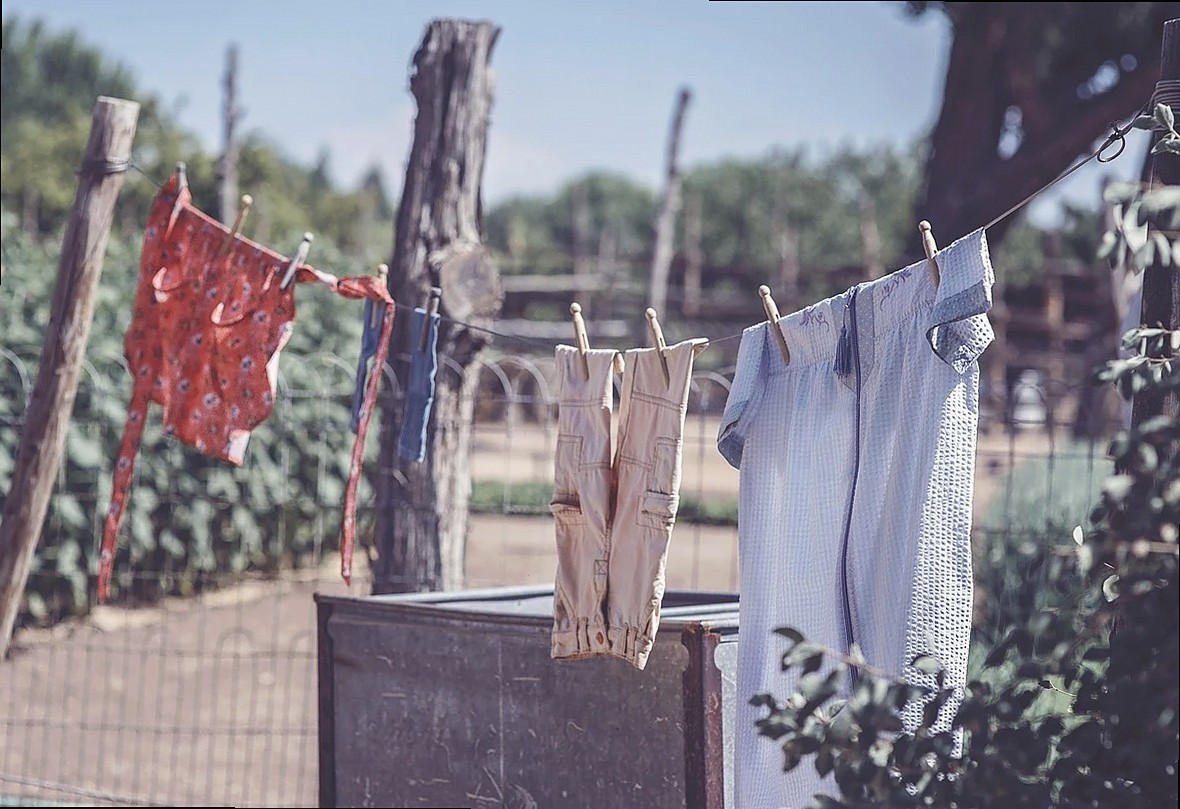
Line drying is ideal. Linen dries quickly in open air and the slight tension from hanging keeps the weave even. If you're using a tumble dryer, use a low-heat setting and remove the linen while it's still slightly damp. The residual heat will finish the job without over-drying.
Over-drying in a hot dryer is the single most common cause of linen becoming brittle at the fold lines. If you fold your duvet cover the same way every time and store it in the same position, rotate the fold occasionally so the same fibres aren't under repeated stress.
What to expect as the cloth ages
Stonewashed linen softens with every wash for the first 20 to 30 cycles. The colour will deepen slightly. Natural linen moves from a pale cream toward a warmer oat tone. And the weave will tighten fractionally, which actually improves the drape. This is normal and desirable. A linen duvet cover that looks slightly different after two years of use is behaving exactly as it should.
If you have questions about a specific piece you've bought from us, we're happy to give advice over email. The care instructions on the label are a minimum. This guide is what we'd actually do at home.